
Learn Forex Trading Step by Step A Complete Guide 1827439641

Learn Forex Trading Step by Step: A Complete Guide
Forex trading can seem intimidating at first, but with the right guidance and resources, anyone can learn to navigate the foreign exchange market. If you’re looking to become a skilled forex trader, this guide will walk you through the essential steps you need to take. We will cover everything from understanding basic trading concepts to developing advanced strategies. Along the way, we’ll also highlight the learn forex trading step by step Best Vietnamese Brokers to help you get started effectively.
Understanding Forex Trading
Before diving into forex trading, it’s essential to grasp what forex (foreign exchange) trading actually entails. The forex market is a decentralized global market for trading national currencies against one another. This market is the largest and most liquid financial market in the world, operating 24 hours a day, five days a week.
Key Concepts
To successfully navigate the forex market, familiarize yourself with some fundamental concepts:
- Currency Pairs: Forex trading involves trading currency pairs, where one currency is bought while the other is sold. For example, in the EUR/USD pair, the euro is being bought against the US dollar.
- Bid and Ask Prices: The bid price is the amount a buyer is willing to pay for a currency pair, while the ask price is the amount a seller is willing to accept.
- Spread: The spread is the difference between the bid and ask prices and represents your cost of trading in the forex market.
- Leverage: Forex brokers often offer leverage, allowing you to trade larger positions than your account balance. However, leverage can magnify both gains and losses.
Step 1: Education and Resources
Education is the cornerstone of successful forex trading. Start by learning the basics through online courses, webinars, and trading forums. Here are some resources to consider:
- Online Courses: Websites like Udemy and Coursera often provide comprehensive forex trading courses for beginners.
- Books: Look for books written by experienced traders that cover trading strategies, risk management, and market psychology.
- Blogs and Forums: Engage with the trading community by reading blogs or participating in forums where traders share their insights and experiences.
Step 2: Choose a Reliable Forex Broker
Your choice of broker can significantly impact your trading experience. When selecting a forex broker, consider the following:
- Regulation: Ensure your broker is regulated by a reputable authority to protect your funds.
- Trading Platform: Look for a user-friendly trading platform with the necessary tools and features to support your trading strategy.
- Fees and Spreads: Compare the trading fees and spreads of different brokers to find the most cost-effective option.
- Customer Support: A responsive customer support team can be invaluable, especially when you encounter issues.
Step 3: Create a Trading Plan
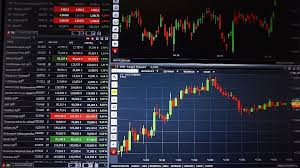
A trading plan is essential for staying disciplined and focused. Your plan should include the following elements:
- Trading Goals: Define your financial goals and desired outcomes from trading.
- Risk Management: Establish how much capital you are willing to risk on each trade and your acceptable loss limit.
- Trading Strategy: Decide on the trading style that suits you best. This could be day trading, swing trading, or position trading, depending on your time commitment and personality.
- Journaling: Keep a trading journal to track your trades, mistakes, and successes to learn and improve.
Step 4: Practice with a Demo Account
Before risking real money, practice your trading skills on a demo account. Most brokers offer this service, allowing you to trade with virtual currency. Use this time to:
- Test your trading strategies in real market conditions.
- Familiarize yourself with the trading platform and tools.
- Understand the emotions involved in trading without financial risk.
Step 5: Start Trading with Real Money
Once you feel confident, you can start trading with real money. Remember these tips as you begin:
- Start with a small amount of capital that you can afford to lose.
- Stick to your trading plan and avoid emotional decision-making.
- Continue learning and adjusting your strategies based on market conditions.
Step 6: Continuous Learning and Adaptation
The forex market is dynamic, and continuous learning is crucial for long-term success. Stay updated with market news, economic indicators, and geopolitical events that can impact currency prices. Following reputable financial news sources and economic calendars will help you make informed trading decisions.
Advanced Strategies
As you gain experience, consider exploring more advanced trading strategies such as:
- Technical Analysis: Using charts and technical indicators to predict future price movements.
- Fundamental Analysis: Analyzing economic indicators, news releases, and central bank policies to inform your trades.
- Automated Trading: Developing algorithms or using software tools to automate your trading process.
Conclusion
Learning forex trading step by step involves education, practice, effective planning, and continuous adaptation to market conditions. By following the steps outlined in this guide, you can develop the skills and knowledge necessary to succeed in the forex market. Remember, the journey may take time, but persistence and a commitment to learning will help you become a successful trader.